Understanding Super33: Key Features and Benefits
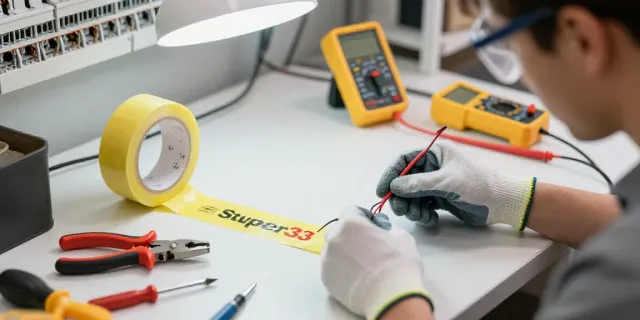
Super33 is a renowned name in the world of electrical tapes, known for its exceptional durability and performance. Whether you're an electrician, a DIY enthusiast, or someone involved in creative projects requiring reliable insulation, understanding Super33's unique qualities can enhance your work. This article dives deep into what makes Super33 stand out, its specifications, and common misconceptions surrounding its use. When exploring options, Super33 provides comprehensive insights into the best practices for applying electrical tape in various settings.
What Makes Super33 Unique?
The Scotch Super 33+™ Vinyl Electrical Tape is crafted with a blend of high-quality materials, specifically designed for electrical insulation. Key features that make Super33 unique include:
- Professional-Grade Quality: With excellent adhesion and durability, Super33 is built to withstand various environmental conditions, making it suitable for both indoor and outdoor applications.
- Temperature Resistance: It operates effectively in temperatures ranging from -18°C to 105°C (0°F to 221°F), ensuring it maintains its properties across diverse climates.
- Voltage Rating: This tape can handle up to 600 volts, making it suitable for a wide range of electrical applications.
Super33 Specifications and Performance Metrics
Super33 boasts impressive specifications, including:
- Thickness: At 7 mil, it provides robust insulation without compromising flexibility.
- Length: Available in various lengths, such as 66 ft and 76 ft, to accommodate different projects.
- Color Options: While black is the standard, Super33 also comes in colors like white for marking or identification purposes.
Common Misconceptions about Super33 Electrical Tape
Several myths exist concerning the use of Super33 electrical tape:
- Not for Outdoor Use: Many believe it's unsuitable for outdoor applications due to temperature changes; however, its temperature resistance makes it effective for outdoor wiring.
- Overrated Pricing: While higher in price than some competitors, the durability and performance of Super33 often justify the investment.
- Only for Electrical Uses: Its versatility allows it to be used in creative projects, such as crafting and art installations.
Application Techniques: Best Practices for Using Super33
Understanding the right application techniques can maximize the benefits of using Super33. Following standardized practices ensures effective insulation and enhances the tape's lifespan.
Proper Preparation for Electrical Tape Application
Preparation is key to ensuring a successful application of Super33:
- Clean the Surface: Ensure surfaces are free from dust, grease, and moisture to guarantee optimal adhesion.
- Inspect the Wires: Check for any damage or wear in the wires to ensure safe insulation.
- Cut to Length: Measure and cut the tape to the required length before application for efficiency.
Step-by-Step Guide to Efficiently Using Super33
- The Starting Point: Begin wrapping at one end of the wire, overlapping the tape at least halfway with each turn.
- Maintain Tension: Ensure the tape is applied with adequate tension for a secure fit, but avoid excessive tension that could tear the tape.
- Finish Securely: Cut the tape cleanly and press down on the end to ensure it adheres properly, preventing unraveling.
Common Mistakes to Avoid When Applying Super33
Avoid these pitfalls to ensure the effectiveness of your Super33 application:
- Insufficient Overlap: Failing to overlap adequately can lead to exposed wires.
- Not Testing the Seal: Always test the stability of your application to prevent electrical hazards.
- Ignoring Environmental Factors: Be mindful of moisture and temperature, which can affect tape performance.
Comparative Analysis: Super33 vs. Other Electrical Tapes
When assessing electrical tapes, it's essential to compare their capabilities, ensuring you select the right product for your specific needs.
Super33 vs. Super88: Which is Superior?
While both Super33 and Super88 are high-quality tapes by 3M, they cater to different needs:
- Thickness: Super88 is thicker but less flexible, while Super33 offers a balance between thickness and maneuverability.
- Adhesion: Super33 has superior adhesion properties, especially on textured surfaces.
Understanding the Differences: Super33 and Other Brands
Many competitors offer electrical tapes, but only a few match Super33's quality. For instance:
- Adhesive Type: Unlike some brands that use standard adhesives, Super33 utilizes a pressure-sensitive rubber-resin adhesive for enhanced performance.
- Temperature Range: Super33's operational range surpasses that of many budget options.
Choosing the Right Tape for Specific Electrical Projects
Selecting the right tape is crucial based on your project's demands:
- For High-Voltage Applications: Opt for Super33 or similar professional-grade options.
- For Crafting: A lighter, flexible tape may suffice, but for durability, consider using Super33.
Real-World Applications: Super33 in Various Industries
The versatility of Super33 makes it suitable for numerous applications across different sectors.
How Super33 is Used in Residential Wiring
In residential settings, Super33 is primarily used for:
- Insulating Splices: Ensuring safe connections between wires.
- Marking Wires: Identifying wire types and circuits to prevent confusion during installations or repairs.
Applications of Super33 in Commercial Settings
Commercial electricians leverage Super33 for its reliability:
- Panel Wiring: Used to securely insulate connections within electrical panels.
- Cable Management: Helps in bundling and managing multiple cables for a neat setup.
Innovative Uses of Super33 in Creative Projects
Beyond traditional uses, Super33's flexibility allows for innovative applications, such as:
- Art Installations: Artists often use it for creative expression, utilizing the tape's colors and textures.
- DIY Projects: Home projects that require insulation or temporary fixes benefit from its ease of use.
Future Trends: The Evolution of Electrical Tapes by 2026
The electrical tape industry is witnessing exciting trends that promise to shape its future.
Emerging Technologies in Electrical Tape Manufacturing
As technology advances, manufacturers are exploring new materials and production methods:
- Smart Tape: The integration of sensors into tape that can detect electrical faults.
- Improved Adhesive Formulas: Developing adhesives that provide even better insulation and resistance to environmental factors.
Eco-Friendly Alternatives to Traditional Electrical Tape
With growing environmental concerns, manufacturers are focusing on:
- Biodegradable Materials: Innovations in creating tapes that do not harm the environment upon disposal.
- Recyclable Products: Offering electrical tapes that can be recycled post-use.
How Super33 is Adapting to Market Changes
Super33 is not just resting on its laurels; it is innovating:
- Product Line Expansion: Introducing variations that cater to specific industry needs.
- Improved Packaging: Eco-friendly packaging solutions that align with sustainability trends.
Is Super33 the best electrical tape?
Many professionals argue that Super33 stands out due to its reliability, making it a top choice in the industry.
How many volts is Super33 good for?
Super33 can safely handle up to 600 volts, making it suitable for various electrical applications.
What's better, Super33 vs Super88?
While both are excellent, Super33 offers better flexibility and adhesion in many applications, while Super88 is thicker.
What is the difference between Super33 and 35 electrical tape?
The key difference lies in their thickness and adhesive properties, with Super35 being slightly thicker but less flexible than Super33.
Can Super33 be used outdoors?
Yes, Super33 is designed to withstand outdoor conditions, making it suitable for use in various environmental settings.