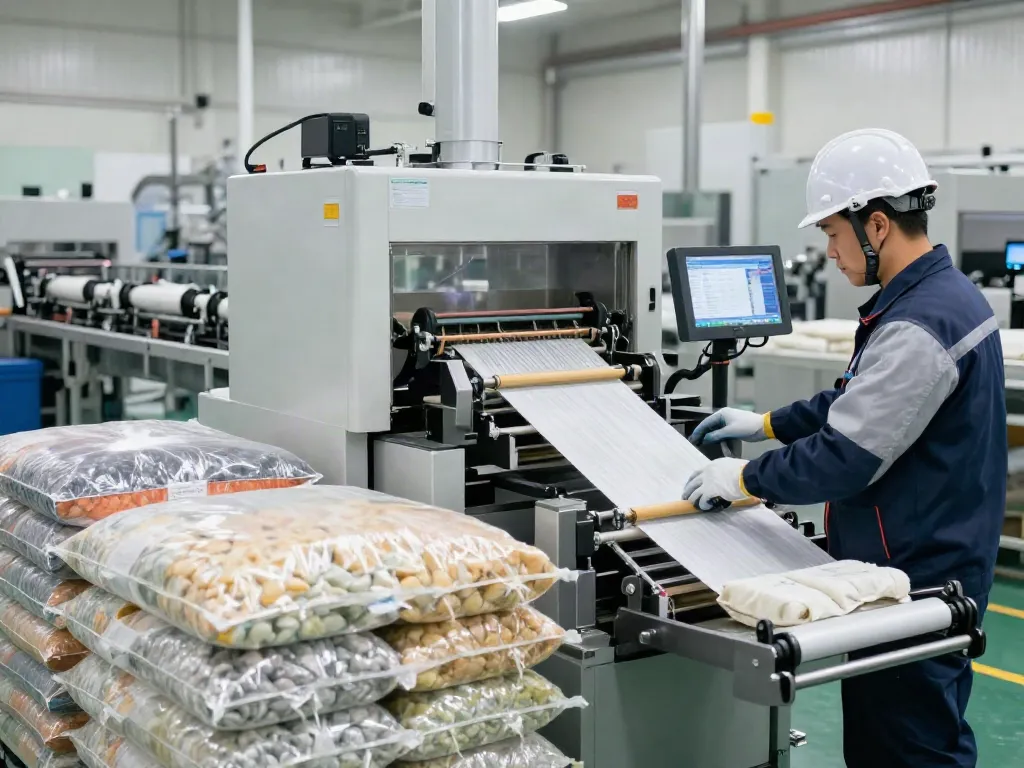
Understanding Customized Packaging Solutions
In an increasingly competitive marketplace, businesses are recognizing the importance of packaging as not just a means of protection but also as a vital component of branding and customer experience. Customized packaging solutions are tailored to fit specific needs, allowing companies to enhance their product presentation while optimizing logistics and costs. This form of packaging goes beyond standard options, utilizing advanced materials and innovative designs to meet diverse industry requirements. When exploring options, customized packaging solutions provide comprehensive insights into how businesses can leverage packaging for strategic advantages.
What Are Customized Packaging Solutions?
Customized packaging solutions involve creating unique packaging options that reflect a brand's identity and meet specific operational needs. This can include modifications to size, shape, material, and design to ensure that the packaging aligns perfectly with the product it contains. For example, a manufacturer of electronics might use anti-static materials, while a gourmet food brand might opt for biodegradable packaging to showcase its commitment to sustainability.
Benefits of Tailored Packaging Solutions for Businesses
- Enhanced Brand Recognition: Custom packaging heightens visibility and strengthens brand identity by incorporating logos and colors that resonate with target audiences.
- Improved Product Protection: Tailored designs ensure that products are well-protected during transit and storage, reducing damage and returns.
- Optimized Shipping Costs: Customized packaging can be designed to minimize excess space, leading to cost savings in shipping and handling.
- Increased Customer Engagement: Unique packaging can create a memorable unboxing experience, fostering customer loyalty and encouraging repeat purchases.
Key Components of Effective Packaging Strategies
To develop effective customized packaging solutions, companies should consider several components:
- Understanding Target Audience: Researching customer preferences and behaviors is crucial for effective design.
- Material Selection: Choosing the right materials not only affects the aesthetics of the packaging but also its sustainability and overall cost.
- Compliance with Regulations: Packaging must adhere to industry standards and regulations, particularly for food and pharmaceuticals.
- Logistical Efficiency: Packaging should facilitate easy handling, storage, and transportation to minimize costs and maximize efficiency.
Challenges in Implementing Customized Packaging Solutions
While the benefits of customized packaging are immense, there are also challenges associated with its implementation. Addressing these issues upfront can save time and resources down the line.
Common Misconceptions About Custom Packaging
One prevalent misconception is that custom packaging is prohibitively expensive. In reality, while initial costs may be higher than standard options, the long-term savings from reduced damage, improved efficiency, and better customer retention can outweigh these costs. Another misunderstanding is that customization limits scalability; however, many modern manufacturers can efficiently produce customized solutions at scale, leveraging automation and advanced production techniques.
Operational Challenges in Packaging Production
Integrating customized packaging solutions into an existing production line can be complex. Companies may experience challenges such as:
- Resource Allocation: Custom packaging may require more time and human resources for design and production.
- Inventory Management: Companies must manage a diverse range of packaging formats and materials, which can complicate inventory tracking and ordering.
- Training Needs: Employees may require training to handle new materials or machinery used for custom packaging.
Budget Constraints and Cost Management
Understanding the financial implications of custom packaging is crucial. Companies should conduct a cost-benefit analysis to evaluate whether the enhanced value justifies the increased investment. Effective budgeting involves not just upfront costs but also ongoing expenses related to production, storage, and shipping.
Best Practices for Choosing the Right Packaging Solutions
To ensure that customized packaging solutions align with business objectives, it is essential to follow a structured approach.
Evaluating Your Packaging Needs and Objectives
Start by assessing your product specifications, target market, and distribution channels. Understanding the unique requirements of your products will help you determine the most effective packaging materials and designs.
How to Assess Packaging Providers for Custom Solutions
Evaluating potential packaging suppliers involves scrutinizing their capabilities in terms of innovation, flexibility, and reliability. Look for companies with a proven track record in delivering customized solutions and the ability to produce high-quality products that meet your standards.
Aligning Packaging with Sustainability Goals
As consumers become increasingly eco-conscious, aligning packaging solutions with sustainability goals can enhance brand reputation and appeal. Consider options such as biodegradable materials, recyclable designs, and minimalistic packaging to reduce environmental impact.
Real-World Examples of Successful Customized Packaging
Learning from the successes of others can provide valuable insights into effective customized packaging strategies.
Case Studies of Leading Industries Using Custom Packaging
Various industries have embraced customized packaging to great effect:
- Food and Beverage: Beverage brands often use unique bottle shapes or eco-friendly materials to distinguish their products and attract health-conscious consumers.
- Cosmetics: The beauty industry frequently employs elegant designs and high-quality materials to enhance brand perception and customer experience.
- Technology: Many tech companies package their gadgets in innovative ways that reflect their brand identity while providing practical protection during shipping.
Innovative Approaches to Packaging in 2026
Looking forward to 2026, advancements in packaging technology are set to revolutionize customized solutions. Innovations such as smart packaging, which includes QR codes for interactive customer engagement, and IoT-enabled containers that monitor product conditions during shipping, are becoming more prevalent.
Lessons Learned from Packaging Implementation
Companies that have successfully implemented customized packaging strategies often cite the importance of flexibility and the willingness to adapt designs based on customer feedback and market trends. Continuous improvement and innovation should always be part of the packaging strategy.
Future Trends in Customized Packaging Solutions
The packaging landscape is continuously evolving, and businesses must stay informed about trends to remain competitive.
Emerging Technologies in Packaging Manufacturing
Technological advancements are reshaping the way customized packaging is produced. Automation, 3D printing, and AI-driven design tools are streamlining the packaging process, making it more efficient and cost-effective.
Predictions for Packaging Innovations by 2026
Experts predict that by 2026, personalized packaging experiences will become the norm, with brands using data to tailor packaging for individual consumers. This could include customized messages or designs based on previous purchases.
Preparing for Changes in Consumer Expectations and Sustainability
To stay ahead, businesses must anticipate shifts in consumer preferences, particularly regarding sustainability. Packaging that prioritizes eco-friendly materials and ethical practices will not only appeal to consumers but also build brand loyalty.
How Can Customized Packaging Solutions Improve My Business?
Customized packaging solutions can significantly enhance product appeal, reduce costs, and improve customer satisfaction. By investing in tailored packaging, businesses can differentiate themselves in crowded markets and build stronger relationships with consumers.
What Are the Costs Associated with Customized Packaging?
The costs of customized packaging can vary widely based on factors such as materials, design complexity, and production volume. Companies should conduct careful assessments to ensure their packaging strategies remain cost-effective while meeting marketplace demands.
How Do I Start with Customized Packaging Solutions?
Starting with customized packaging requires thorough research and planning. Businesses should identify their specific needs, explore potential suppliers, and create a prototype to test design concepts before full-scale production.
What Materials Are Best for Customized Packaging?
The choice of materials is critical in customized packaging. Options like cardboard, biodegradable plastics, and glass each offer distinct advantages. Brands should select materials that align with both their product specifications and sustainability goals.
How Does Custom Packaging Impact Brand Perception?
Custom packaging plays a crucial role in shaping consumer perceptions of a brand. High-quality, thoughtful packaging can reinforce a brand’s commitment to quality and innovation, enhancing customer trust and loyalty.