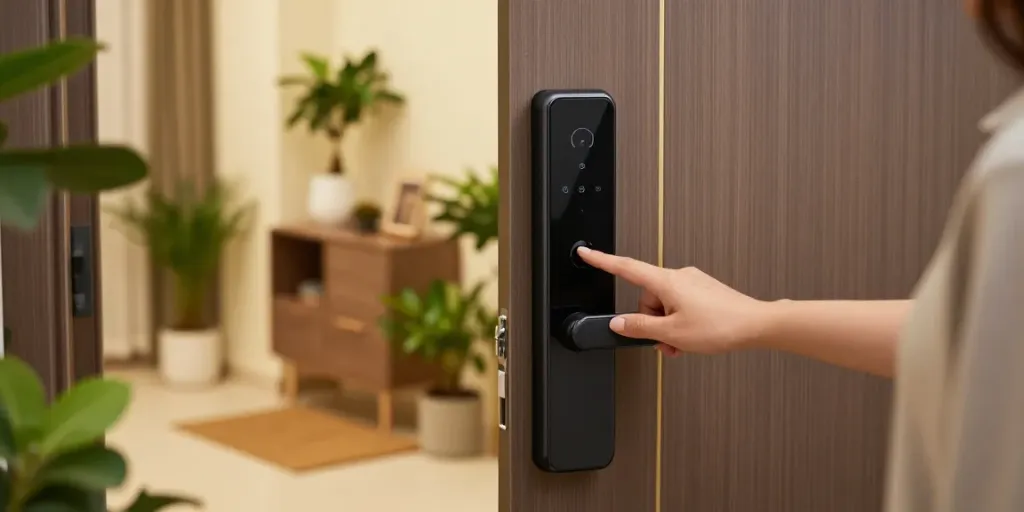
Understanding Smart Lock Technology
As the world becomes increasingly connected, the need for smart home security solutions has never been more essential. Smart locks offer a convenient and secure way to manage access to your home, ensuring that you can keep your loved ones safe while maintaining control over who enters your space. These innovative devices integrate advanced technologies, transforming traditional locking mechanisms into digital security solutions. When exploring options, خرید قفل هوشمند can provide comprehensive insights into the latest offerings available.
What is a Smart Lock?
A smart lock is a modern locking device that allows you to manage access to your property using electronic methods rather than traditional keys. They can be controlled via smartphones, smart home systems, or keypads, providing a versatile approach to home security. Smart locks can also include features such as remote access, temporary digital keys for guests, and the ability to monitor who enters and exits your home.
How Smart Locks Work
Smart locks typically use a combination of Bluetooth, Wi-Fi, or Z-Wave technologies to communicate with your devices. Many smart locks also feature a backup physical key option, ensuring that you still have a way to access your home should the electronic systems fail. They often come with companion apps, allowing you to control them from anywhere, making it simple to grant access even when you’re not at home.
Benefits of Smart Locks Over Traditional Locks
- Enhanced Security: Smart locks offer advanced security features, such as encryption and alarms, that can deter potential intruders.
- Convenience: With smart locks, you can lock and unlock your door remotely, eliminating the need for physical keys.
- Access Control: You can provide temporary access to guests and service providers through digital keys or scheduled access.
- Activity Monitoring: Many smart locks allow you to track who enters and exits your home and when, providing peace of mind.
Choosing the Right Smart Lock
When it comes to selecting the perfect smart lock for your needs, there are several factors to consider to ensure you make an informed decision. The ideal smart lock for your home will depend on your specific requirements, preferences, and budget.
Factors to Consider When Purchasing
- Type of Connectivity: Determine whether you prefer Bluetooth, Wi-Fi, or Z-Wave connectivity based on your home automation system.
- Security Features: Look for locks with multi-factor authentication and strong encryption technologies.
- Ease of Installation: Some smart locks are designed for easy DIY installation, while others may require professional help.
- Compatibility with Smart Home Systems: Ensure the lock works seamlessly with your existing smart home setup or other devices.
Comparing Smart Lock Features
Smart locks come with various features that can enhance their functionality. Key features to compare include:
- Remote Access: The ability to lock or unlock your door when you are away from home.
- Temporary Access: A feature that allows you to send digital keys to guests for a limited time.
- Auto-Locking: This feature automatically locks your door after a set period.
- Integration with Voice Assistants: Compatibility with Alexa, Google Assistant, or other voice-activated devices.
Understanding Smart Lock Prices
Smart lock prices can vary significantly based on features and brand. While budget locks may offer basic functionalities, premium models provide advanced security features, additional integrations, and enhanced durability. It is essential to evaluate the value of the features against the price to make a wise investment.
Installing Your Smart Lock
Installing a smart lock can be a straightforward process, but it can also present challenges depending on your existing door hardware and the complexity of the lock itself. Understanding your options for installation will help ensure a smooth and successful setup.
DIY Installation vs. Professional Installation
If you are comfortable with basic tools and home repairs, many smart locks offer DIY installation options with detailed instructions. However, if your door requires significant modifications or you prefer a guaranteed professional setup, hiring a skilled technician may be the best choice.
Common Installation Challenges
Common issues when installing smart locks include:
- Door compatibility: Ensure the lock fits your door type and frame.
- Power supply: Some smart locks require batteries or a power outlet.
- Unique door mechanisms: Older or unusual door designs may require additional adjustments.
Best Practices for Smart Lock Setup
To maximize your smart lock's effectiveness, follow these best practices during installation:
- Read the user manual thoroughly before starting.
- Test the lock function before finalizing the installation.
- Ensure a secure internet connection if the lock relies on Wi-Fi.
- Regularly update firmware and software to maintain security.
Maintaining Your Smart Lock
Like any technology, smart locks require regular maintenance to function correctly and ensure your home remains secure. Knowing how to care for your lock will prolong its lifespan and efficiency.
Regular Maintenance Tips
- Clean the lock mechanism periodically to prevent debris buildup.
- Check battery levels regularly and replace them promptly.
- Keep the software updated to protect against security vulnerabilities.
How to Troubleshoot Common Issues
If your smart lock is malfunctioning, consider these troubleshooting steps:
- Ensure the batteries are charged.
- Check for any obstructions around the lock mechanism.
- Restart the lock or reset it to factory settings if necessary.
Upgrading Smart Lock Firmware
Most smart locks allow firmware updates to improve functionality and security. Regularly check the manufacturer's app or website for updates and follow the instructions provided for a seamless upgrade.
The Future of Smart Locks in Home Security
The evolution of smart lock technology suggests exciting advancements in home security. As technology progresses, so too does the potential for enhanced safety and convenience.
Emerging Trends in Smart Lock Technology
Several trends are shaping the future of smart locks:
- Integration with AI: More smart locks are using artificial intelligence for advanced security features, such as anomaly detection.
- Biometric Authentication: Fingerprint and facial recognition technologies are becoming more prevalent in smart lock designs.
- Enhanced Connectivity Options: Increased compatibility with various smart home platforms and devices will offer users even more control.
Predictions for 2026 and Beyond
As we look towards the future, smart locks are expected to become an integral part of home security systems. Enhanced features will make them more user-friendly while ensuring higher levels of security.
Impact of Smart Locks on Home Insurance
With more homeowners adopting smart locks, insurance companies may start offering incentives for policyholders who employ these technologies, recognizing their role in reducing the risk of break-ins.
Can Smart Locks be Hacked?
While smart locks are generally secure, like all technology, they are not immune to hacking. Choosing a reputable brand and keeping software updated can help mitigate this risk.
Are Smart Locks Easy to Use?
Smart locks are designed with user convenience in mind. Most offer intuitive apps and simple interfaces, allowing users to navigate their features with ease.
What to Do If You Forget Your Smart Lock Code?
If you forget your access code, refer to the user manual for recovery options. Many smart locks also offer backup methods, such as a physical key or a temporary code reset provided through customer support.