Understanding DPF Regeneration
Diesel engines are renowned for their power and durability, but they also come with specific challenges, particularly regarding emissions. One critical component in managing these emissions is the Diesel Particulate Filter (DPF). The process of dpf regeneration plays a crucial role in ensuring that the DPF functions effectively, extends its lifespan, and maintains engine performance. In this section, we will delve into what DPF regeneration is, how it works, and why it is essential for diesel engines.
What is DPF Regeneration?
DPF regeneration refers to the process of cleaning the Diesel Particulate Filter (DPF) by burning off accumulated soot and ash that has collected during normal engine operation. Over time, as a diesel engine operates, it produces particulate matter (soot), which is captured by the DPF to reduce harmful emissions. However, if the soot accumulates beyond a certain threshold, it can lead to a clogged filter, negatively impacting engine performance and increasing emissions.
How DPF Regeneration Works
The regeneration process occurs in several stages. Initially, the DPF captures soot, which is a byproduct of the incomplete combustion of diesel fuel. When the filter gets full, the regeneration process is triggered to burn off this soot. There are two primary types of regeneration: passive and active.
- Passive Regeneration: This occurs naturally when the vehicle is driven at high speeds. High exhaust temperatures are generated, allowing the soot to burn off in the filter without any additional interventions.
- Active Regeneration: This process is initiated by the vehicle's engine management system. When the soot level reaches a predetermined threshold, additional fuel is injected into the combustion chamber to increase exhaust temperature, which burns off the soot in the DPF.
The Importance of DPF Regeneration for Diesel Engines
DPF regeneration is vital for maintaining optimal engine performance and reducing emissions. A properly functioning DPF ensures that diesel engines operate within regulatory emissions limits, thus protecting both the environment and human health. Without regular regeneration, a DPF can become clogged, leading to increased fuel consumption, engine strain, and expensive repairs or replacements.
Types of DPF Regeneration
Active vs. Passive DPF Regeneration
When it comes to DPF regeneration, understanding the difference between active and passive processes is crucial. While passive regeneration relies on natural circumstances to occur, active regeneration is controlled and initiated by the vehicle’s onboard computer to ensure that the filter remains clean under varying driving conditions.
Manual DPF Regeneration: The Process Explained
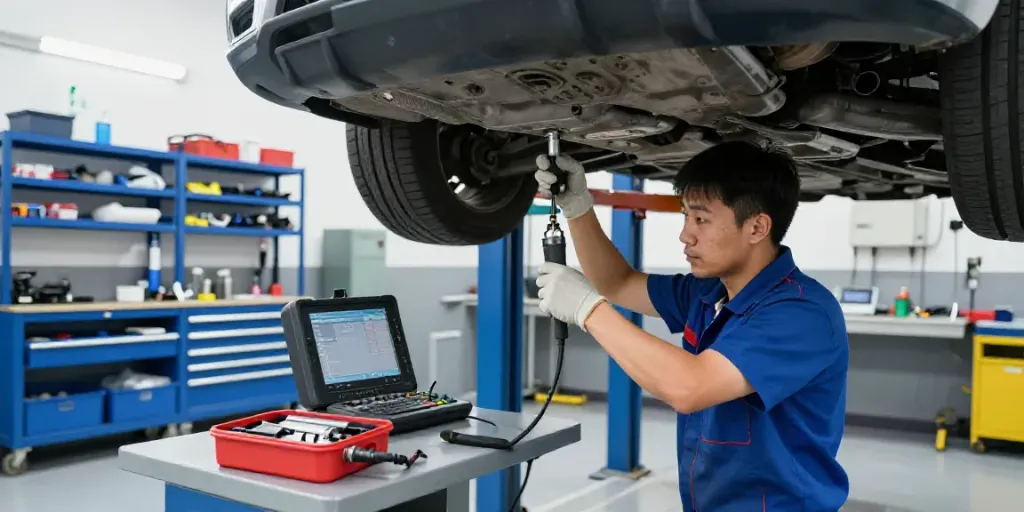
In some cases, drivers may find themselves needing to perform a manual regeneration. This is often necessary when the vehicle indicates that the DPF is full, and automatic regeneration has not occurred. During manual regeneration, the driver must follow specific steps, which might include idling the engine or using diagnostic tools to increase the exhaust temperature until the soot is effectively burned off.
When to Use Each Type of DPF Regeneration
Understanding when to utilize active versus passive regeneration is essential for diesel vehicle maintenance. Passive regeneration should occur during normal highway driving, where high exhaust temperatures can be naturally achieved. In contrast, active regeneration is typically utilized in urban driving or stop-and-go conditions, where passive regeneration might not occur efficiently.
Common Misconceptions About DPF Regeneration
Myth: DPF Regeneration is Optional
One prevalent misconception is that DPF regeneration can be ignored or is optional. In reality, regular regeneration is necessary to prevent a clogged filter, which can lead to significant engine issues. Ignoring this process can result in costly repairs and decreased fuel efficiency.
Truth Behind DPF Regeneration Timing
Many drivers may not realize that the timing of DPF regeneration is crucial. The DPF system is engineered to regenerate at specific intervals based on driving patterns. Understanding these patterns can help drivers anticipate when regeneration will occur and allow for proactive measures to be taken, preventing system failures.
Understanding DPF Warning Signs
Being aware of warning signs can save drivers from potential complications. Common indicators that regeneration is needed include warning lights on the dashboard, decreased engine performance, and higher fuel consumption. Addressing these signs promptly can prevent more complex issues from arising.
Best Practices for Effective DPF Regeneration
Routine Maintenance for Diesel Engines
Effective DPF regeneration starts with routine maintenance. Regular oil changes, ensuring the fuel system is clean, and monitoring the health of the DPF can aid in maintaining optimal performance. Additionally, keeping an eye on the vehicle's exhaust system can help identify potential issues before they escalate.
Monitoring DPF Health: Tools and Techniques
Utilizing diagnostic tools can provide valuable insights into the health of the DPF. Onboard diagnostics (OBD) systems can monitor soot levels and trigger regeneration processes when necessary. Moreover, advanced tools can offer real-time data, helping technicians make informed decisions regarding maintenance and repairs.
Proven Strategies for Optimizing DPF Regeneration
To ensure efficient DPF regeneration, several strategies can be employed. These include:
- Driving at higher speeds periodically to facilitate passive regeneration.
- Ensuring that the engine is properly calibrated and serviced regularly.
- Using high-quality fuel that minimizes soot production.
The Future of DPF Technologies
Emerging Trends in Diesel Engine Maintenance
As technology advances, the landscape of diesel engine maintenance is evolving. Future trends include the integration of more sophisticated monitoring systems that can preemptively address DPF issues before they lead to significant problems. Additionally, developments in fuel technology are expected to reduce soot emissions, subsequently lowering the frequency of regeneration required.
Advanced DPF Regeneration Technologies to Watch
Several innovative technologies are on the horizon that could revolutionize DPF regeneration. One such advancement is the introduction of dual-fuel systems, which not only improve combustion efficiency but also reduce particulate matter production. Furthermore, advancements in catalytic converter technology promise enhanced separation of soot from exhaust gases, making regeneration easier and more efficient.
Predictions for DPF Systems in 2026
Looking ahead to 2026, it's predicted that DPF technology will continue to evolve, integrating more automation and AI-driven diagnostics into the systems. This evolution may lead to self-regenerating filters capable of managing soot levels without needing manual intervention. Furthermore, as environmental regulations tighten, manufacturers will be compelled to innovate, creating more efficient filters that minimize emissions further.
How Can I Regenerate My DPF?
To manually regenerate a DPF, consult the vehicle's owner manual for specific instructions. Generally, it involves driving the vehicle at a higher speed for an extended period to facilitate passive regeneration or using a diagnostic tool to initiate active regeneration when the DPF is close to full capacity.
Can I Drive During DPF Regeneration?
Yes, in most cases, it is safe to drive during DPF regeneration. However, maintaining a steady speed and avoiding unnecessary stops will help the process complete more efficiently.
Can You Unblock a DPF Yourself?
While some minor blockages can sometimes be cleared through manual regeneration methods, severe blockages often require professional cleaning or replacement of the DPF. Attempting to DIY a blocked DPF without proper knowledge or equipment may result in further damage.
How Long Should DPF Regen Take?
The duration of DPF regeneration can vary widely depending on driving conditions and the amount of soot accumulated. Typically, active regeneration can take anywhere from 10 to 30 minutes, while passive regeneration may naturally occur over a longer drive.